
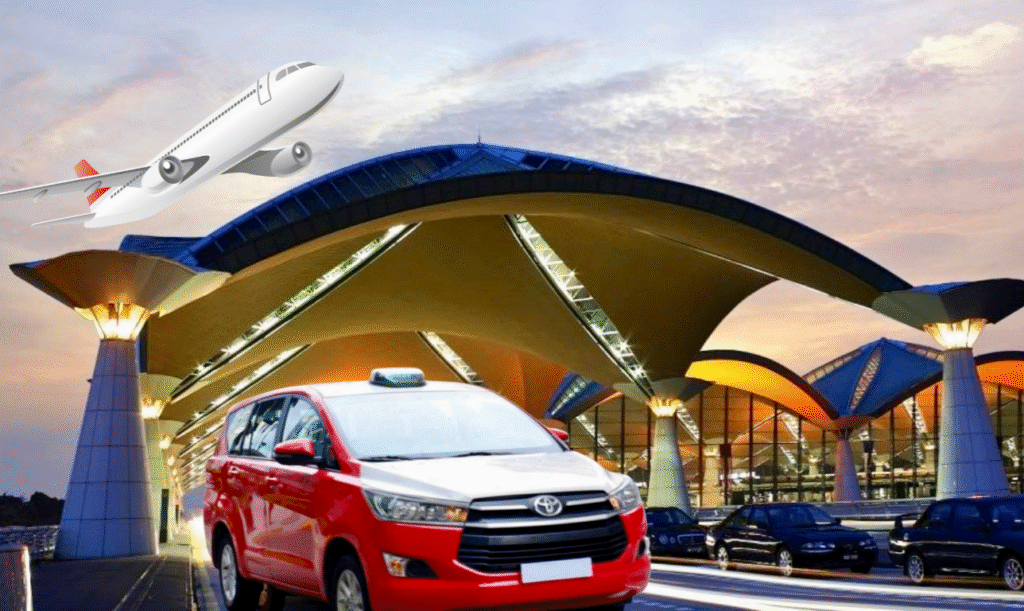
Introduction to Malaysia Cab
Malaysia Cab services play an integral role in the transportation framework of the nation, particularly in urban areas such as Kuala Lumpur. A significant aspect of everyday life, these taxi services cater to both local residents and international tourists, providing essential connectivity across various regions of the city. The reliance on taxi services exemplifies their critical function in easing mobility, especially in a bustling metropolis where traffic congestion can often pose challenges to public transport.
Kuala Lumpur, known for its vibrant culture and economic activity, is serviced by a diverse array of taxi options. From traditional metered taxis to ridesharing services, travelers can select from several modalities that suit their needs. Traditional taxis often provide a more local experience, with drivers who possess intimate knowledge of the city’s layout, making them a reliable choice for those looking to navigate through the myriad streets of Kuala Lumpur.
In addition to traditional options, newer platforms have emerged, offering convenient booking via mobile applications. These services have transformed the way individuals access transportation, presenting a more modern approach to commuting within the city. Efficient taxi services are essential not only for expedient travel but also for enhancing tourists’ overall experiences when visiting Malaysia. The ability to move quickly between destinations, such as shopping centers, cultural landmarks, and dining establishments, significantly contributes to a positive journey.
Moreover, Kuala Lumpur’s international airport, KLIA, presents specific taxi requirements for arriving travelers. This demand for seamless airport transfers highlights the importance of reliable taxi services within the broader transport landscape of Malaysia. Understanding the variety of services available, particularly in such a critical travel hub, sets the foundation for a comprehensive exploration of the Malaysia Cab system.
The Evolution of Taxi Services in Kuala Lumpur
The history of taxi services in Kuala Lumpur dates back several decades, with the early days characterized by traditional forms of transportation. Initially, taxis were operated by small, independent drivers using basic licensing practices. These services provided a crucial means of travel for the public as the city began to develop and expand rapidly during the 20th century. However, the industry saw significant changes in the late 1990s and early 2000s, marking the beginning of a new era in transportation.
As Kuala Lumpur emerged as a metropolitan hub, the demand for efficient and reliable transport grew. This increase in urbanization prompted the government to implement regulations to improve the quality and safety of taxi services. Measures such as fixed fare systems and mandatory taxi licensing emerged, ensuring an enhanced experience for customers. Nonetheless, traditional taxi services continued to face challenges, including competition from unlicensed operators and public dissatisfaction with service levels.
The turning point for the taxi industry came with the advent of technology, particularly the introduction of smartphone applications for ride-hailing services. Companies such as Grab and Uber revolutionized the way people accessed transportation, allowing users to book rides effortlessly through their devices. These platforms introduced features like real-time tracking, fare estimates, and cashless payments, significantly improving user experience and convenience. The rise of ride-hailing services led to a paradigm shift in the taxi landscape of Kuala Lumpur, pushing traditional taxi operators to adapt or risk obsolescence.
In response to this technological disruption, many traditional taxi services sought to modernize, adopting mobile apps and digital payment systems. The competition between traditional taxis and ride-hailing services ultimately resulted in the government implementing further regulations to ensure fair practices and safety standards across the board. This evolution reflects the ongoing interplay between technology and transportation, shaping the future of taxi services in Kuala Lumpur.
Types of Taxis Available in Kuala Lumpur
Kuala Lumpur, the vibrant capital of Malaysia, offers a variety of taxi services catering to different needs and preferences. Understanding the types of taxis available can enhance your travel experience and help in making informed choices when navigating the city. Below are the primary categories of taxis operating in Kuala Lumpur: budget taxis, executive taxis, and luxury taxis.
Budget taxis are the most commonly seen vehicles on the streets of Kuala Lumpur. These are typically standard sedans, such as the Proton Saga or Toyota Vios, equipped to carry up to four passengers comfortably. Budget taxis operate on a meter system, making them an economical option for short to medium distances. The affordability of budget taxis appeals primarily to daily commuters, tourists who are looking to save money, and local residents. However, during peak times, such as rush hour or holidays, availability may decrease, leading to longer waiting times.
Executive taxis, often referred to as “premium taxis,” cater to travelers seeking a more comfortable ride. Featuring spacious interiors and often more luxurious vehicles, such as the Toyota Camry or Honda Accord, these taxis are ideal for business travelers, airport transfers, or anyone desiring a higher level of service. Executive taxis may charge slightly higher fares than budget options but deliver greater comfort, reliability, and often priority service during busy hours.
Lastly, luxury taxis provide an upscale travel experience, targeting clients who prioritize prestige and comfort. These services might utilize high-end vehicles or even chauffeur services that include personal drivers. The pricing for luxury taxis can be significantly higher, reflecting the premium service offered. This option is particularly popular among corporate executives, VIPs, or discerning tourists who value luxury during their travels.
In conclusion, Kuala Lumpur’s taxi services offer a range of options to suit varying budgets and preferences. Whether opting for a budget taxi, an executive ride, or a luxury experience, knowing the distinct categories can help you navigate the city effortlessly.
How to Book a Taxi in Kuala Lumpur
Booking a taxi in Kuala Lumpur can be accomplished through several methods, catering to different preferences and situations. The most traditional approach involves hailing a taxi on the street. Numerous taxis are readily available in busy areas, hotels, and shopping districts. When opting for this method, it is advisable to look for taxis with a valid taxi sign and ensure that the meter is used for the fare calculation.
In addition to street-hailing, mobile applications have gained popularity for booking taxis. Services such as Grab, MyCar, and others provide an efficient and user-friendly platform for ridesharing. To use these apps, users must download the application, create an account, and link a payment method. Once registered, passengers can enter their pickup and drop-off locations to receive a fare estimate and choose their preferred vehicle type. The convenience of app-based booking includes real-time tracking of the driver and estimated arrival times, enhancing the overall user experience.
When booking a taxi, several payment options are available. Cash is widely accepted; however, many mobile apps provide seamless cashless transactions through debit or credit cards. This method of payment is increasingly favored due to its convenience and safety. Users should also consider tipping drivers as a gesture of appreciation for good service, keeping in mind that tips are not mandatory.
Finally, ensuring a safe and reliable ride is paramount. Always check the driver’s details, including their name and vehicle information, before getting in. Sharing your ride details with a trusted friend or family member can add an extra layer of safety. Familiarizing oneself with local taxi services and understanding the booking process will undoubtedly lead to a more pleasant travel experience in Kuala Lumpur.
The Role of KLIA Taxi Services
Kuala Lumpur International Airport (KLIA) taxi services represent a vital component of the transportation landscape for travelers arriving in Malaysia. These services not only provide convenience but also ensure that visitors can seamlessly transition from air travel to ground transportation without unnecessary delays or complications. The availability of various KLIA taxi options caters to the diverse needs of passengers, whether they are traveling for business or leisure.
One of the primary advantages of using KLIA taxi services is the direct airport transfer feature. Passengers can easily disembark from their flights and find designated taxi stands within the airport. This eliminates the need for navigation through complicated public transportation systems or the risk of delays associated with ride-hailing apps. With reputable taxi services, travelers can expect punctual pickups and comfortable journeys to their final destinations, enhancing their overall travel experience.
Moreover, understanding the pricing structures is crucial for travelers utilizing KLIA taxi services. Typically, fares are based on distance and time, with slightly higher rates compared to regular city taxis due to the premium nature of airport transfers. However, these costs are generally transparent, with fixed rates often highlighted at the taxi counters. This allows travelers to budget effectively for their transportation needs upon arrival in Kuala Lumpur.
Lastly, the range of options available for picking up and dropping off passengers at KLIA further enhances the value of these taxi services. From standard cars to larger vehicles suited for families or groups, KLIA offers flexibility in transportation choices. This diversity in services ensures that all travelers can find suitable options that meet their specific requirements, making KLIA taxi services an essential element of the travel experience in Malaysia.
Tips for a Smooth Taxi Experience in Kuala Lumpur
For both tourists and locals, navigating the taxi services in Kuala Lumpur can be seamless with the right strategies in mind. One of the first considerations is understanding how the taxi meter system works. Taxis in Kuala Lumpur are generally required to use a meter, which means that the fare will be calculated based on the distance traveled and time taken. However, it is advisable to confirm with the driver before starting the journey that the meter will indeed be used. If you encounter a taxi driver who insists on a fixed fare, it may be best to seek another taxi to avoid potential overcharging.
Negotiating fares is another essential aspect of the taxi experience in Malaysia. While metered taxis are recommended, in certain cases such as late-night travel or if you find an unmetered taxi, striking a deal based on an estimate can be advantageous. Always explore the typical taxi fare for your intended destination beforehand, as this equips you with the knowledge to negotiate effectively and avoid being taken advantage of.
Safety is a significant concern when using any taxi service. For added security, consider taking note of the taxi’s license plate number and the driver’s identification before starting your journey. It is also wise to share your trip details with a friend or family member, providing them with the taxi number, driver’s name, and your expected arrival time. In terms of etiquette, it is recommended to be polite and respectful toward your driver, as mutual respect can create a more pleasant travel experience. Moreover, always make sure to ensure your belongings are not left behind when exiting the vehicle. By adhering to these guidelines, you can significantly enhance your taxi experience in Kuala Lumpur.
Challenges Faced by Taxi Drivers in Kuala Lumpur
Taxi drivers in Kuala Lumpur navigate a complex landscape characterized by several significant challenges. One of the predominant issues is the growing competition from ride-hailing services, such as Grab and Uber. These services have revolutionized urban transport, offering consumers convenience, lower prices, and a user-friendly app interface. As a result, traditional taxi drivers have seen a decline in their customer base, leading to financial strain and uncertainty within this sector. Many drivers find it increasingly difficult to compete with the pricing strategies and flexible operations of these digital platforms.
Furthermore, regulatory hurdles also pose a considerable challenge for taxi operators. The transport sector in Malaysia is heavily regulated, requiring drivers to comply with numerous licensing and safety stipulations. These regulations can vary significantly, creating an environment where compliance may lead to higher operational costs. For instance, taxi drivers often bear the burden of license fees and vehicle inspections, which can deter new entrants into the industry and limit the growth potential for established drivers.
The economic impact of fluctuating fuel prices exacerbates these challenges, further squeezing the already tight profit margins of taxi drivers. When fuel prices surge, drivers frequently struggle to maintain affordable fares while accommodating their increased operating costs. This situation not only affects the drivers’ livelihoods but also has a ripple effect on passenger fares. Consequently, both drivers and consumers grapple with the implications of rising fuel costs, underscoring the necessity for adaptable strategies to sustain the traditional taxi industry amidst these adversities.
Understanding these challenges faced by taxi drivers in Kuala Lumpur is crucial for fostering appreciation and support for the local taxi community. Developing empathy for their struggles can lead to more constructive conversations about the future of urban transportation in Malaysia, balancing the interests of both traditional and ride-hailing services.
The Future of Taxi Services in Malaysia
The taxi industry in Malaysia is on the brink of transformation, driven by technological advancements and changing consumer preferences. One of the key trends shaping the future of taxi services in Malaysia is the increasing adoption of electric vehicles (EVs). With growing environmental concerns, both consumers and the government are prioritizing sustainability. The Malaysian government is actively promoting green initiatives, which could lead to a significant rise in electric taxis, reducing carbon footprints while maintaining reliable transport services.
Moreover, Artificial Intelligence (AI) is poised to revolutionize how taxi services are operated and consumed. AI-driven platforms can analyze vast amounts of data to optimize routes, predict demand, and enhance overall customer experience. For instance, ride-hailing applications equipped with AI can provide real-time updates and estimations, significantly improving pricing transparency and efficiency. This level of sophistication may also redefine traditional taxi services as they adapt to remain competitive in this evolving landscape.
The integration of app-based booking systems is another area where significant evolution is expected. This shift caters to the increasing demand for convenience among consumers, who now expect seamless digital experiences in accessing taxi services. The infrastructure improvements and enhancements in user interfaces will likely lead to greater customer satisfaction and higher uptake rates of taxi services.
Additionally, as the Malaysian urban population continues to expand, there is a pressing need for a more robust public transport system. Government initiatives aimed at improving public transport infrastructure will likely enhance the synergy between taxis and other modes of transport. This collaborative approach could create a more integrated transportation network, making it easier for consumers to navigate urban areas efficiently.
In conclusion, the future of taxi services in Malaysia will likely be characterized by technological innovations, a shift towards sustainability, and an increasingly interconnected public transport system. These developments will not only meet consumer expectations but also contribute to a more sustainable and efficient urban transport environment.
Conclusion
Reliable taxi services play a crucial role in enhancing the convenience and efficiency of transportation in Kuala Lumpur. Throughout this guide, we have explored various aspects of Malaysia Cab services, emphasizing their importance for both locals and tourists alike. The accessibility of these services significantly eases mobility, allowing travelers to navigate the bustling city with ease. The infrastructure provided by taxi services ensures that journeys to and from key locations, such as the Kuala Lumpur International Airport (KLIA), are seamless and hassle-free.
Moreover, the impact of efficient taxi services extends beyond individual convenience; they are vital to the economic landscape of Kuala Lumpur. By offering reliable transportation options, taxi services indirectly support local businesses, hotels, and attractions, enhancing the overall tourist experience. A well-functioning cab system not only caters to immediate transportation needs but also fosters a positive impression of the city, encouraging repeat visits and recommendations to others.
Furthermore, choosing local taxi companies fosters economic growth within the community. By opting for services such as Malaysia Cab, passengers contribute to the livelihoods of drivers and service operators, promoting sustainability within the local economy. In an era where convenience and efficiency are paramount, utilizing established taxi services is an essential practice for all users, ensuring safety and reliability during transit.
In conclusion, the role of reliable taxi services in Kuala Lumpur cannot be overstated. They significantly contribute to the overall travel experience, ease of transportation, and economic vitality of the region. Therefore, as you plan your journeys in Kuala Lumpur, consider engaging with local taxi services, such as Malaysia Cab, for a dependable and efficient transportation experience.